Anxiety affects millions of people every year, often leading to a cascade of symptoms including insomnia, muscle tension, headaches, and difficulty concentrating. While talk therapy and medication are effective for many, complementary therapies like Craniosacral Therapy (CST) are gaining attention for their subtle yet profound effects on the nervous system.
So how can CST help manage anxiety—and what does the research say?
What Is Craniosacral Therapy?
Craniosacral Therapy is a hands-on technique developed from osteopathic medicine. It involves gentle, sustained pressure—no more than the weight of a nickel—on the skull, spine, and sacrum. The goal is to release restrictions in the craniosacral system, which includes the membranes and fluid that surround the brain and spinal cord.
This system plays a crucial role in regulating the autonomic nervous system, which controls our stress response.
The Link Between the Nervous System and Anxiety
Anxiety is often the result of a chronically overactive sympathetic nervous system (the “fight or flight” response). CST helps to activate the parasympathetic nervous system (the “rest and digest” mode), supporting a return to balance.
When the body shifts into this state, heart rate slows, muscles relax, and the mind becomes calmer.
This shift is not just psychological—it’s physiological.
What the Research Says
Several studies and clinical observations support the idea that CST can benefit individuals with anxiety:
- A 2011 study published in Evidence-Based Complementary and Alternative Medicine found that patients receiving CST experienced significant reductions in anxiety and pain compared to a control group.
- A 2015 pilot study in the Journal of Integrative Medicine reported that CST sessions helped decrease symptoms of both generalized anxiety disorder (GAD) and somatic symptoms like muscle tension and fatigue.
- Research also shows that CST may lower cortisol levels, the body’s primary stress hormone, contributing to a lasting sense of calm and reduced anxiety symptoms.
While more large-scale studies are needed, current evidence is promising, particularly for individuals seeking non-invasive, holistic options.
What to Expect During a Session
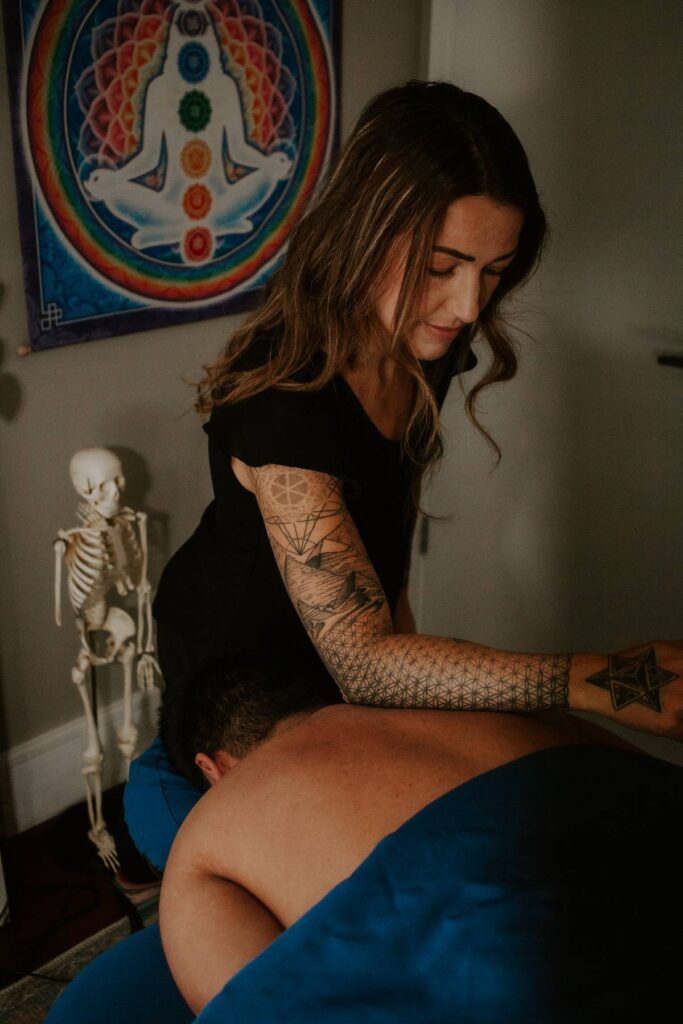
During a CST session, clients lie fully clothed on a massage table. The therapist uses light touch to assess and gently release tension in the craniosacral system. Many people report a sense of deep relaxation, emotional release, or even a meditative state during treatment.
Because CST is so gentle, it’s suitable for most people—even those who are sensitive to traditional massage.
A Complement to Traditional Care
It’s important to note that CST is not a replacement for mental health treatment, but it can be a powerful complement to therapy, medication, or other wellness practices. It addresses the body-mind connection, helping to calm the nervous system from the bottom up.
Interested in experiencing Craniosacral Therapy for anxiety?
Contact us today to book a session or learn more about how this gentle approach can support your emotional and physical well-being.